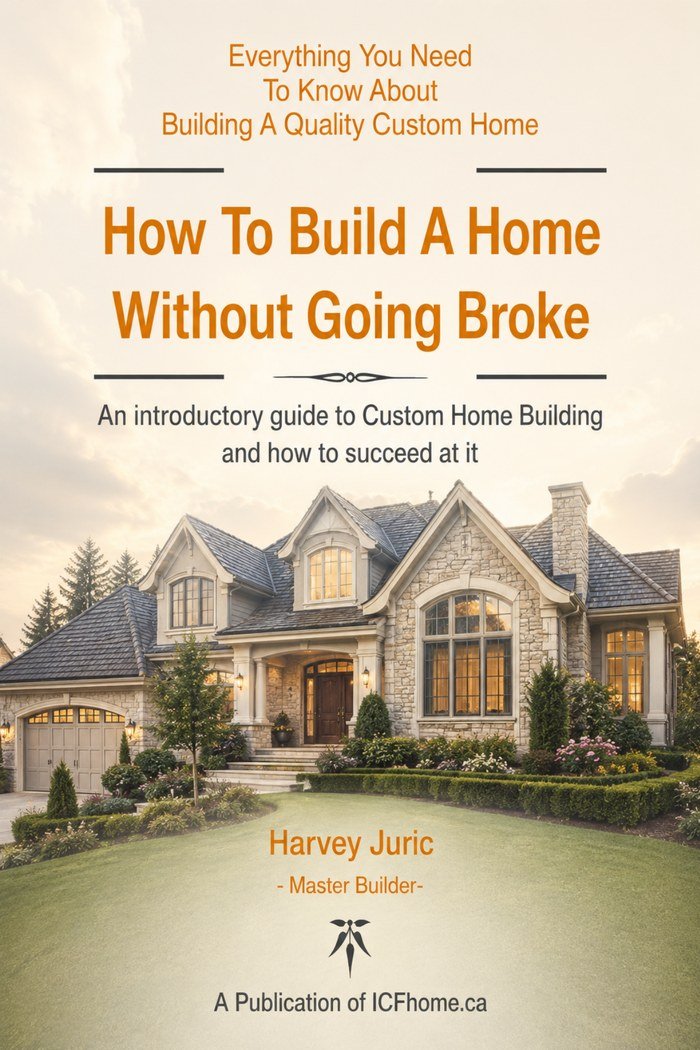
Building in Oro-Medonte is a mix of beautiful lots, real winter, and “surprise!” moments like rock, clay, and permits. This guide shows you how to hire a custom home contractor like a pro—without becoming a full-time detective.
🧰What “custom home contractor” actually means in Oro-Medonte
“Custom home contractor” can mean a few different things, and the label matters because it affects cost, speed, and who’s responsible when something gets missed. In Oro-Medonte you’ll run into:
- General contractors (GCs): They coordinate trades and manage the build, but you may still need your own designer and your own engineer.
- Custom builders: Similar to a GC, but typically more involved in planning, selections, and budget guidance (and usually more structured in process).
- Design-build teams: One team helps with design, engineering coordination, permits, and construction—fewer handoffs, fewer “that’s not my problem” moments.
Your goal isn’t to find the fanciest title. Your goal is to find the contractor who can prove they’ve done projects like yours, in Ontario conditions, with a process that doesn’t rely on crossed fingers.
Builder advice: In Simcoe County, the best projects aren’t the ones with the “most custom” features. They’re the ones with the clearest scope, cleanest drawings, and a contractor who runs the job like a system—not a scavenger hunt.
🔎Step 1: Shortlist Oro-Medonte custom home contractors the smart way
In a perfect world you could just pick the contractor with the nicest truck and the best handshake. In the real world, your shortlist should be built on proof—and not just a gallery of pretty photos.
- Recent projects in Simcoe County (not “we did one up north once”).
- Clear scope documents: drawings, specs, and selection assumptions.
- A written schedule approach (even if it’s high-level early on).
- Trade depth: who they use for excavation, HVAC, electrical, framing/ICF, finishes.
- A process for changes (because there will be changes).
- Vague pricing: “Don’t worry, we’ll figure it out as we go.”
- No talk about permits, inspections, or energy compliance until “later.”
- They can start immediately… with no explanation of crew/trade availability.
- They push you to sign before drawings/specs are finished.
- They won’t explain how they handle allowances and change orders.
If you want a quick gut-check on your overall budget range before you call three contractors and lose a week of evenings, run a rough number through this Custom Home Building Calculator. It won’t replace a real estimate—think of it like a “range-finder” before you start shopping seriously.
🗣️Step 2: Questions that separate pros from amateurs
Here’s the trick: almost every contractor can answer easy questions. The good ones shine when you ask questions that reveal how they think, how they plan, and how they handle problems.
🧾Budget and quoting questions
- What’s included—and what’s assumed? (Driveway? grading? permits? septic? utility connections?)
- How do you handle allowances? (Cabinets, flooring, lighting, plumbing fixtures—this is where quotes quietly explode.)
- What’s your change order process? Get the rules upfront, not after the first “small tweak.”
- Do you provide a specification list? If you’re comparing contractors, you want apples-to-apples.
📅Scheduling questions (important in Oro-Medonte winters)
- What’s your realistic start window? Not “maybe spring,” but how they book excavation, foundation, framing/ICF, mechanical, and inspections.
- How do you plan around weather? Frost, snow, and muddy shoulder seasons affect excavation, concrete, and deliveries.
- Who’s the day-to-day lead? If the owner sells the job and disappears, you’ll feel it.
🧠Quality-control questions (the ones homeowners forget to ask)
- How do you prevent mistakes? Look for checklists, sign-offs, and defined inspection stages.
- How do you document the build? Photos, daily logs, and written confirmations protect both sides.
- How do you handle deficiencies at the end? A clean closeout plan is a sign of maturity.
Builder advice: If a contractor gets annoyed by detailed questions, imagine how they’ll react when you ask why the tile layout is off by half an inch… after it’s already set.
💰Understanding quotes: why “cheaper” often becomes “more expensive”
Two quotes can look $80,000 apart and still be quoting totally different houses. That’s not a conspiracy—usually it’s just missing scope. In Ontario custom building, the biggest quote gaps often come from:
- Site costs: rock, clay, groundwater, long driveways, tree clearing, access for concrete trucks.
- Mechanical systems: heat source choices, radiant vs forced air, ventilation strategy, zoning.
- Finish levels: windows/doors, cabinetry, flooring, tile, trim, lighting, plumbing fixtures.
- Assumptions: “Owner supplies” items and vague allowances that don’t match your taste (or reality).
Financing can also shape the quote structure and timeline. If you’re still sorting the money side, this overview of home construction loans helps you understand draws, holdbacks, and why contractors ask for certain documentation.
🏗️ICF vs conventional framing: when your wall choice changes your contractor choice
If you’re leaning toward high-performance construction (and many Oro-Medonte clients are—quiet homes, low bills, and “built like a tank”), your contractor needs real experience with the system—not a “we’ll watch a video” attitude.
Insulated Concrete Forms (ICF) can be an excellent fit for our Ontario weather swings, especially if you care about comfort and resilience. If you’re still deciding, read this straight-talk breakdown: Is ICF Worth It? Then, if you want to understand the approval side, here’s the practical permit overview: Permits for ICF Construction.
The point isn’t that everyone must build ICF. The point is: match your contractor to your system. The more “special” the build (ICF, complex rooflines, big spans, high-end detailing), the more you want a team that’s done it repeatedly—cleanly.
🧭Self-qualify in 60 seconds: are you actually ready to hire a contractor?
This part saves you time and protects your budget. Before you call Oro-Medonte custom home contractors for pricing, make sure you’re not asking them to hit a moving target while blindfolded.
- Do you have a realistic build range (not just a dream number)?
- Do you know your must-haves vs nice-to-haves?
- Are you prepared for site costs if the lot is “interesting”?
- Do you have a change contingency? (Because custom = choices.)
If your answers are mostly “maybe,” start with planning and ranges—then tighten up before signing anything.
- Do you have a survey and an idea of setbacks/easements?
- Do you know servicing needs: septic/well/municipal connections?
- Do you have a plan concept that matches your budget?
- Have you thought about driveway location, drainage, and grading?
In Oro-Medonte, the lot is part of the house. Ignore it, and it will invoice you later.
📜Permits, inspections, and protection: the Ontario basics you should know
You don’t need to become a code expert, but you should understand the framework. In Ontario, your build must comply with the Ontario Building Code, and your contractor should be comfortable discussing inspections, documentation, and how the design meets requirements.
Warranty coverage and processes also matter, especially if your project is under warranty programs. Tarion’s homeowner information hub is a good plain-language starting point: Tarion Homeowners.
When a contractor talks confidently about permits and inspections, it’s not “extra paperwork.” It usually means they build with fewer surprises—because they plan ahead and document properly.
🧩How to compare contractors fairly (without losing your mind)
If you want an honest comparison, make sure each contractor is pricing the same information. Ideally, you give each bidder:
- Drawings (even if preliminary), plus any engineering that’s available.
- A written spec list (windows, insulation targets, HVAC intent, finish level).
- A basic scope outline for site work and services.
- A clear note about what you expect for change orders and allowances.
And here’s the underrated part: compare communication. The contractor who explains clearly now is usually the one who keeps you informed later. Custom homes are hundreds of decisions. You want a team that can help you make them without turning your evenings into emergency meetings.
🛠️What working with an ICF-focused custom builder looks like
If you’re aiming for an energy-efficient, quiet, durable home (especially on a rural or waterfront-style lot), you’ll benefit from a builder who’s comfortable with high-performance details: airtightness, thermal bridging, mechanical planning, and real scheduling. Our approach is simple: plan thoroughly, document clearly, and build like we have to live there afterward.
If you already have plans, the fastest next step is to send them in for a practical review here: Send Plans for Review. If you want to see what full-service ICF custom building looks like end-to-end, start here: Custom ICF Home Construction.
🏁Final checklist before you sign anything
- Scope clarity: You can point to what’s included, excluded, and allowed-for.
- Schedule realism: Start dates and key phases make sense for Ontario seasons and trade availability.
- Change control: You know how changes are priced and approved—before the first change happens.
- Communication: You know who you talk to weekly, and how updates are delivered.
- Fit: The contractor’s past projects and process match your house style, complexity, and priorities.
If you do those five things, hiring Oro-Medonte custom home contractors becomes a lot less stressful—and a lot more predictable. (Predictable is a beautiful word in custom building.)